Health and Safety Policy — Rotherhithe Skip Hire
Policy Statement
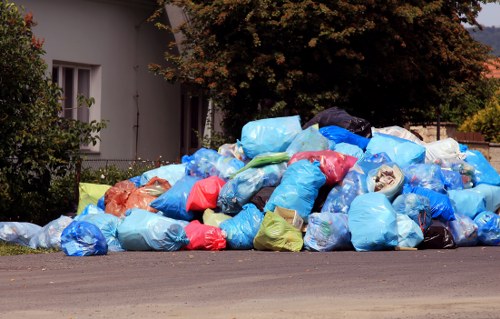 Rotherhithe Skip Hire maintains a clear and practical Health and Safety Policy that reflects our commitment to safe skip hire and rubbish removal operations across our service area. This policy sets out how our skip hire service and waste collection activities are planned, managed and monitored to protect employees, subcontractors, clients and members of the public. We adopt a risk-based approach to rubbish collection and waste management tasks, ensuring that every job is assessed for hazards and that controls are applied to reduce risk as far as reasonably practicable.
Our objectives include preventing work-related injuries and ill health, providing a safe working environment and promoting continuous improvement in safety performance. All staff engaged in rubbish clearance, skip delivery, site setup and waste handling must follow the procedures laid out in this document. The policy is applicable across the wider rubbish company service area and is written to be implementable without reference to specific local regulations, while remaining compatible with applicable law.
 To achieve these goals we commit to:
- Carrying out risk assessments for all skip and waste activities;
- Providing appropriate personal protective equipment (PPE) and safe tools;
- Ensuring competent training and supervision;
- Maintaining vehicles and plant in safe condition;
- Safe handling and segregation of hazardous items.
Responsibilities and Competence
Responsibility for implementing this policy sits with senior management who will ensure that adequate resources are allocated to health and safety. Managers and supervisors in the skip hire and waste removal teams are responsible for day-to-day execution of safe systems of work, ensuring staff are competent for the tasks they undertake, and that inductions and refresher training are provided. Employees and subcontractors must follow instructions, report hazards, and participate in safety briefings. Competence is maintained through recorded training, toolbox talks and on-site supervision tailored to the rubbish company service area activities.
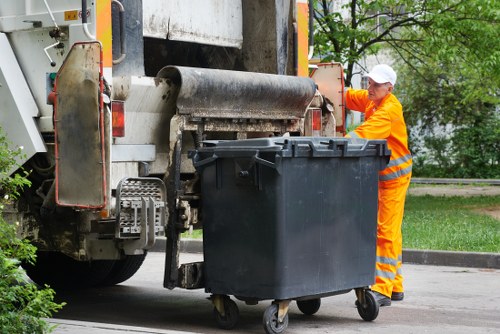 A safe workforce relies on appropriate training and awareness. We provide instruction on manual handling, safe lifting, use of lifting equipment, site set-up for skips, traffic management while delivering and collecting containers, and procedures for identifying and isolating hazardous wastes. Fitness to work assessments and clear reporting lines ensure that all personnel are both physically and mentally able to perform duties safely. Contract partners must demonstrate equivalent standards before they are permitted to operate under our brand.
Vehicle and plant safety is vital for skip delivery and removal operations. All fleet vehicles will be inspected pre-shift, maintained under a documented regime and driven only by licensed, trained operators. Reversing procedures, banksman guidance and traffic management measures are enforced on sites where skips are placed near roads or public thoroughfares. Equipment guarding and secure load practices reduce the risk of falls, spillage and accidental release of waste.
 Site safety and segregation of waste are core to our operations. Before any skip is positioned, a site assessment identifies ground stability, overhead hazards, utilities and access constraints. Skips will be sited to avoid blocking emergency access and footpaths wherever possible. We have clear protocols for the segregation of recyclables and hazardous materials and prohibit the disposal of certain dangerous items in general skips. These measures protect waste handlers, the public, and the environment.
Incident reporting, emergency procedures and medical arrangements are documented and communicated to all staff. In the event of spills, fires or injuries, immediate containment, notification of the appropriate emergency services and internal reporting are required. We maintain an incident log and investigate incidents to establish root causes and corrective actions. Lessons learned are fed back through briefings and updates to the health and safety management system. Prompt action and clear records reduce recurrence and support continuous improvement.
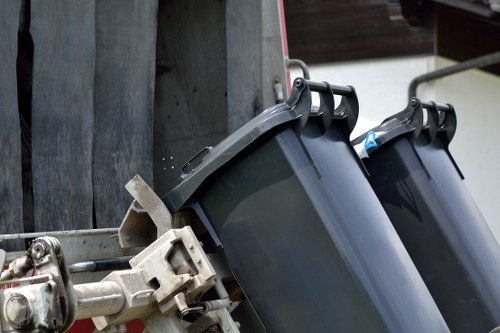 Monitoring, audit and review form the basis for sustaining safety performance. Regular inspections, internal audits and external reviews of our skip hire, rubbish collection and waste management practices verify compliance with this policy. Performance indicators such as near-miss reports, accident frequency, training completion and vehicle maintenance audits are tracked and reported to senior management. The policy is reviewed at defined intervals and updated following significant change, incident or legislative development to ensure it remains effective and proportionate to the scale of operations.
Hazardous waste handling is addressed through clear categorisation and segregation methods. When hazardous materials are encountered during rubbish clearance, staff must follow isolation and notification procedures, use specified PPE and arrange licensed disposal routes. We do not accept unknown hazardous loads without prior assessment and will engage qualified waste carriers and licensed facilities where specialist disposal is required. This minimizes risk and ensures compliant handling across the rubbish company service area.
Employee participation, consultation and communication are central to effective safety management. We encourage reporting of hazards and suggestions for improvement; safety briefings and toolbox talks are scheduled to keep teams informed of procedural changes. Disciplinary measures apply where safety rules are deliberately ignored, while positive recognition is given for safe behaviour and hazard reporting. Collaboration with supply chain partners ensures consistent standards across all contracted activities.
By adopting these practical measures, Rotherhithe Skip Hire aims to deliver a reliable, compliant skip hire and rubbish removal service that protects people and property. This Health and Safety Policy is endorsed by senior management and should be read in conjunction with operational procedures that govern day-to-day activities. Regular review and continued worker engagement will ensure our service remains safe, sustainable and responsive to the needs of the communities we serve.