Effective Construction Waste Disposal in Rotherhithe: Your Comprehensive Guide
Introduction to Construction Waste Disposal
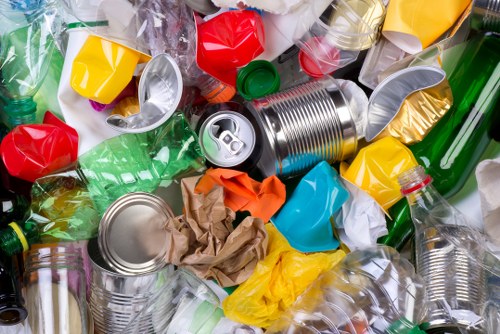
Construction projects in Rotherhithe contribute significantly to the local economy, but they also generate substantial waste. Proper construction waste disposal is essential to maintain the area's cleanliness and environmental integrity.
Managing construction debris involves more than just removing unwanted materials; it requires a strategic approach to recycling, reusing, and disposing of waste responsibly. This ensures compliance with local regulations and promotes sustainability.
In this article, we will explore the best practices for construction waste disposal in Rotherhithe, highlighting the importance of effective waste management and the benefits it offers to both businesses and the community.
Understanding Construction Waste
Construction waste comprises various materials generated during building, renovation, and demolition activities. Common types include:
- Concrete and masonry
- Wood and lumber
- Metals
- Plastics
- Drywall
- Asphalt
Each type of waste requires specific disposal methods to ensure environmental safety and compliance with local laws.
Proper segregation of materials at the source can significantly enhance the efficiency of the disposal process and increase the potential for recycling.
Local Regulations in Rotherhithe
Rotherhithe enforces strict regulations regarding construction waste management. These regulations are designed to minimize the environmental impact of construction activities and promote sustainable practices.
Key regulations include:
- Waste Separation: Mandatory sorting of recyclable and non-recyclable materials.
- Timely Disposal: Requirements for the prompt removal of construction debris from sites.
- Permits and Licensing: Necessity for obtaining appropriate permits for waste disposal activities.
Compliance with these regulations is not only a legal obligation but also a commitment to the community's well-being.
Methods of Construction Waste Disposal
There are several methods available for disposing of construction waste in Rotherhithe, each with its advantages:
Recycling
Recycling involves processing waste materials to create new products. This method reduces the need for raw materials and decreases landfill usage.
Benefits of Recycling
- Reduces environmental footprint
- Saves costs on raw materials
- Encourages sustainable construction practices
Landfill Disposal
Landfilling is a traditional method of waste disposal. While it is straightforward, it poses environmental risks and is less sustainable.
Considerations for Landfilling
- Compliance with environmental standards
- Potential for soil and water contamination
- Long-term land usage implications
Composting
Organic construction waste can be composted to create nutrient-rich soil amendments. This method is eco-friendly and supports landscaping efforts.
Advantages of Composting
- Reduces landfill burden
- Produces valuable compost for green spaces
- Supports sustainable landscaping practices
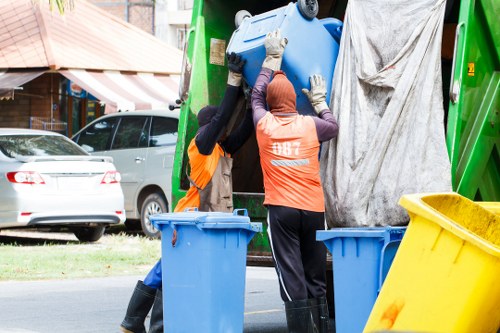
Choosing the Right Disposal Service
Selecting a reliable construction waste disposal service in Rotherhithe is crucial for effective waste management. Here are key factors to consider:
Experience and Expertise
Ensure that the disposal service has a proven track record in handling various types of construction waste. Experienced companies are better equipped to manage waste efficiently and comply with regulations.
Services Offered
- On-site waste collection
- Waste segregation and recycling
- Transportation and disposal
- Consultation and compliance assistance
Cost-Effectiveness
Evaluate the pricing structure of the disposal services. Opt for services that offer transparent pricing without compromising on quality and reliability.
Additional Fees
- Permit acquisition costs
- Transportation fees
- Recycling and processing charges
Environmental Commitment
Choose a disposal service that prioritizes environmentally friendly practices. This includes high recycling rates and the use of sustainable disposal methods.
Certifications and Accreditations
- ISO certifications
- Local environmental approvals
- Membership in green initiatives
Benefits of Proper Waste Disposal
Implementing effective construction waste disposal strategies offers numerous benefits:
- Environmental Protection: Reduces pollution and conserves natural resources.
- Cost Savings: Minimizes disposal fees through recycling and efficient waste management.
- Regulatory Compliance: Ensures adherence to local laws, avoiding fines and legal issues.
- Enhanced Reputation: Demonstrates a commitment to sustainability, attracting eco-conscious clients.
These advantages not only support environmental goals but also contribute to the long-term success of construction businesses in Rotherhithe.
By adopting responsible waste disposal practices, companies can make a positive impact on the community and the environment.
Innovations in Waste Management
The waste management industry is continually evolving, with new technologies and practices enhancing efficiency and sustainability:
Smart Waste Monitoring
Utilizing sensors and IoT devices to monitor waste levels in real-time, allowing for optimized collection schedules and reduced operational costs.
Benefits of Smart Monitoring
- Prevents overflow and littering
- Reduces unnecessary pickups
- Provides data for process improvements
Advanced Recycling Techniques
Innovations in recycling technologies enable the processing of previously non-recyclable materials, expanding the types of construction waste that can be reused.
Examples of Advanced Techniques
- Cryogenic recycling for plastics
- Electrostatic separation for metals
- Biochemical methods for organic waste
Eco-Friendly Disposal Solutions
Developing environmentally benign disposal methods that minimize the carbon footprint and reduce reliance on landfills.
Eco-Friendly Methods
- Repurposing materials for new construction
- Using biodegradable materials
- Implementing zero-waste policies
Steps to Implement Effective Waste Disposal
To achieve efficient construction waste management in Rotherhithe, follow these essential steps:
1. Conduct a Waste Audit
Assess the types and quantities of waste generated during your construction projects to identify opportunities for reduction, recycling, and proper disposal.
Benefits of a Waste Audit
- Provides a clear understanding of waste streams
- Identifies areas for improvement
- Establishes a baseline for measuring progress
2. Develop a Waste Management Plan
Create a comprehensive plan outlining waste handling procedures, including segregation, storage, transportation, and disposal methods tailored to your project's needs.
Components of a Waste Management Plan
- Roles and responsibilities
- Waste reduction targets
- Scheduling and logistics
3. Train Your Team
Ensure that all team members are educated on waste disposal protocols and the importance of following the waste management plan to maintain consistency and compliance.
Training Topics
- Proper waste segregation techniques
- Safety procedures for handling hazardous materials
- Reporting and documentation requirements
4. Monitor and Review
Regularly track your waste disposal activities to assess effectiveness, identify challenges, and make necessary adjustments to improve performance.
Monitoring Strategies
- Regular site inspections
- Waste tracking software
- Feedback from team members
5. Engage with Stakeholders
Collaborate with waste disposal services, recycling facilities, and local authorities to ensure seamless waste management operations and stay updated on best practices and regulatory changes.
Stakeholder Engagement Methods
- Regular communication and meetings
- Partnerships and affiliations
- Participating in local sustainability initiatives
Case Studies: Success Stories in Rotherhithe
Several construction projects in Rotherhithe have successfully implemented effective waste disposal strategies, serving as benchmarks for others:
Project A: Sustainable Office Complex
This project achieved a 90% waste diversion rate by implementing rigorous recycling programs and repurposing materials, significantly reducing landfill dependency.
Key Strategies
- On-site sorting stations
- Partnerships with local recycling facilities
- Use of eco-friendly materials
Project B: Residential Development
By conducting a thorough waste audit and training staff, this development minimized waste generation and optimized disposal methods, enhancing overall project sustainability.
Implemented Measures
- Comprehensive waste management plan
- Continuous monitoring and feedback
- Community engagement initiatives
Project C: Commercial Renovation
Adopting advanced recycling techniques, this renovation project successfully recycled complex materials, setting a new standard for construction waste management in the area.
Innovative Practices
- Cryogenic recycling of plastics
- Electrostatic separation for metal recovery
- Biochemical processing of organic waste
Challenges and Solutions in Waste Disposal
Managing construction waste in Rotherhithe comes with its set of challenges. Understanding and addressing these issues is crucial for effective waste disposal:
Limited Recycling Facilities
The scarcity of local recycling centers can hinder waste management efforts. To overcome this, collaboration with regional recycling facilities and investing in on-site recycling capabilities can be effective.
Potential Solutions
- Partnering with nearby recycling plants
- Implementing mobile recycling units
- Advocating for new recycling facilities in the area
High Disposal Costs
Disposal fees can be a significant expense for construction projects. Implementing waste reduction strategies and maximizing recycling can help lower these costs.
Cost-Reduction Techniques
- Optimizing material usage
- Negotiating bulk disposal rates
- Investing in reusable materials
Compliance with Regulations
Staying up-to-date with evolving waste management laws can be challenging. Regular training and consultation with legal experts can ensure ongoing compliance.
Ensuring Compliance
- Regularly reviewing local regulations
- Engaging with waste management consultants
- Implementing compliance tracking systems
The Future of Construction Waste Disposal in Rotherhithe
The future of construction waste disposal in Rotherhithe is poised for innovation and greater sustainability. Emerging trends and technologies will play a vital role in enhancing waste management practices:
Zero-Waste Construction
Embracing a zero-waste philosophy aims to eliminate waste entirely through careful planning, material selection, and efficient construction techniques.
Steps Toward Zero Waste
- Designing for deconstruction
- Using prefabricated components
- Implementing just-in-time delivery systems
Circular Economy Models
Adopting circular economy principles encourages the continual use of materials, reducing the need for new resources and minimizing waste.
Circular Economy Practices
- Material repurposing and upcycling
- Extended product lifecycles
- Collaborative consumption models
Advanced Waste Processing Technologies
Innovations such as automated sorting systems and advanced material recovery facilities will streamline waste management, making it more efficient and environmentally friendly.
Examples of Advanced Technologies
- AI-powered waste sorting
- Robotic processing systems
- Chemical recycling methods
Conclusion
Effective construction waste disposal in Rotherhithe is integral to sustainable development and environmental preservation. By understanding the types of waste, adhering to local regulations, and implementing strategic disposal methods, construction projects can significantly reduce their ecological footprint.
Embracing innovations and overcoming challenges through collaboration and commitment will pave the way for a greener future in Rotherhithe. Investing in proper waste management not only benefits the environment but also enhances the reputation and efficiency of construction businesses.
Ready to upgrade your construction waste disposal practices? Contact us today to learn how we can help you manage your waste effectively and sustainably.