Ingenious Upcycling Hacks for Turning Refuse into Resources
In today's constantly evolving world, the urgent need for sustainability has inspired millions to look beyond traditional waste disposal habits. Innovative upcycling methods are transforming the way we view trash, shifting the narrative from "waste" to "resourceful opportunity." This comprehensive guide spotlights ingenious upcycling hacks that can help you turn everyday refuse into creative treasures and practical essentials--enhancing your home, saving money, and contributing to a healthier planet.
Understanding the Art of Upcycling
Upcycling, sometimes referred to as creative reuse or repurposing, involves converting old or discarded materials into items with greater value, utility, or aesthetic appeal. Unlike recycling, which breaks down materials to their base form, upcycling adds value by transforming refuse into functional or decorative products--reducing landfill waste and cutting down on resource consumption.
Why Upcycle? Benefits Beyond the Bin
- Environmental Impact: Upcycling conserves raw materials and drastically reduces the volume of waste ending up in landfills or incinerators.
- Cost Savings: Creating resources from refuse saves money--no need to buy new products when you can ingeniously craft your own.
- Personalization: Upcycling allows for unique, one-of-a-kind creations tailored to your taste and needs.
- Reduced Carbon Footprint: Less manufacturing and transport means lower greenhouse gas emissions.
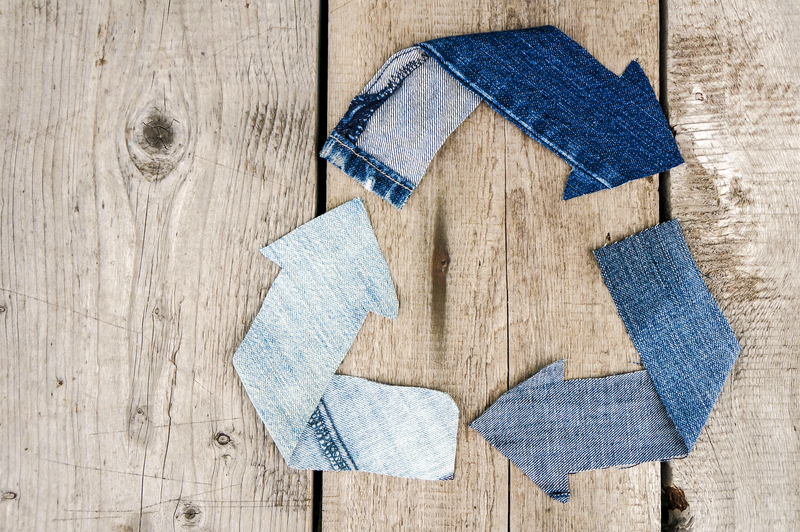
Essential Upcycling Materials Hiding in Plain Sight
Before diving into specific upcycling projects, it's vital to recognize which types of household "waste" offer the most potential. Here are some familiar items ripe for transformation:
- Glass jars and bottles
- Tin cans
- Scrap wood
- Old clothing and textiles
- Pallets and crates
- Plastic containers
- Wine corks
- Broken furniture
Pro-tip: Never underestimate the power of seemingly useless items. With a spark of creativity, everyday refuse can become your next ingenious solution.
Upcycling Hacks: Turning Trash Into Treasure
Let's delve into specific, actionable hacks for rescuing refuse and turning it into useful, eye-catching resources for your home, garden, or workspace.
1. Glass Jars & Bottles: Beyond Storage
- Luminaries & Lanterns: Clean glass jars can become stunning candle holders. Simply insert tealights or wrap with wire and beads. Try painting the glass for a stained-glass effect.
- Miniature Greenhouses: Invert large jars over seedlings to create mini-greenhouses--extending growing seasons and fostering plant growth.
- Herb Gardens: Line up several jars on a sunny windowsill and plant fresh thyme, basil, or mint for a kitchen herb garden that is both practical and beautiful.
2. Tin Cans: Multipurpose Marvels
- Desk Organizers: Upcycle tin cans by painting or wrapping with fabric, transforming them into stylish holders for pens, brushes, or utensils.
- Vertical Planters: Drill holes in the bottom and sides, then hang several cans on a wooden pallet for a stunning wall-mounted planter system--perfect for small spaces.
- Outdoor Lanterns: Punch holes in patterns around the cans, insert candles, and hang them along pathways for magical, upcycled lighting.
3. Scrap Wood: From Scraps to Statement Pieces
- Floating Shelves: Sand and seal leftover wood planks to create custom shelves--ideal for displaying treasures or organizing essentials.
- Garden Markers: Cut wood into small stakes, paint them, and use them to label plants in your garden, ensuring both utility and charm.
- Key Holders or Racks: Attach vintage hooks to a sanded wood base for a rustic, functional entryway accessory.
4. Old Clothing & Textiles: Sustainably Stylish
- Rag Rugs: Weave or braid strips from t-shirts or bed linens into vibrant, colorful rugs for the bathroom, kitchen, or bedroom.
- Reusable Tote Bags: Transform preloved shirts, jeans, or sheets into sturdy, washable grocery bags--ditch single-use plastics for good!
- DIY Pet Toys: Knot together strips of old fabric to create entertaining tug toys that keep pets happy while reducing trash.
5. Pallets and Crates: Industrial Chic
- Outdoor Furniture: Stack, sand, and paint old pallets to construct benches, tables, and even garden sofas for a rustic outdoor retreat.
- Plant Stands & Beds: Disassemble wooden crates to build elevated plant beds, offering easy gardening and visual appeal.
- Bookshelves: Mount wood crates onto walls for an artistic and functional way to store books or display decor.
6. Plastic Containers: Ingenious and Indestructible
- Seed Starters: Cut the bottoms off plastic bottles or use yogurt cups as mini planters for starting seeds on your windowsill.
- Bird Feeders: Turn an old, cleaned-out soda bottle into a delightful bird feeder--simply cut holes, add perches, and fill with seed.
- Drawer Organizers: Trim and stack various containers in your drawers to keep office supplies or kitchen utensils tidy and accessible.
7. Wine Corks: Small But Mighty
- Bulletin Boards: Glue wine corks to a backing board for an effective, eco-friendly pinboard for your home or office.
- Coasters and Trivets: Slice corks and glue them together into neat, heat-resistant pads for your dining table.
- Garden Mulch: Shred corks and scatter them around plants to retain moisture and minimize weed growth.
8. Broken Furniture: Reinvented Functionality
- Ladder Bookshelf: Stand an old wooden ladder vertically, adding planks across the rungs to serve as creative shelving.
- Chair Planters: Remove the seat and fill the frame with a planter for a whimsical garden feature.
- Drawer Shadow Boxes: Repurpose desk drawers as wall-mounted display boxes for art, collections, or succulents.
Advanced Upcycling Projects for the Ambitious DIYer
If you're ready to take your repurposing skills to the next level, consider these inventive and slightly more complex methods for reimagining refuse as resources:
Repurposed Bicycle Tire Mirrors
Old bicycle tires can find new life as the frames for artfully unique wall mirrors. Clean and paint the tire, fit a mirror inside, and hang. Not only does this create a striking decor element, but it's also a terrific conversation starter.
Refrigerator Door Potting Bench
Don't toss out that broken fridge door! With a few brackets, the door can serve as a mobile potting bench or tool station for your garden or greenhouse. Add hooks, shelves or even a magnetic strip for tools.
Tips for Successful Upcycling
- Clean Before You Create: Sanitize all items before use, especially glass, plastic, and cans, to ensure projects are safe and long-lasting.
- Plan Ahead: Visualize your project and lay out all materials before starting. A little preparation goes a long way.
- Experiment With Paint and Finishes: Paint, stain, or decorate your pieces for a professional, personalized look.
- Share the Wealth: Arrange community upcycling swaps or classes to spread skills and inspiration.
- Think Local: Source unwanted items from neighbors, community groups, or Freecycle networks to reduce your environmental impact even further.
Creative Upcycling for the Whole Family
Upcycling isn't just for expert DIYers--get the kids involved for engaging, eco-friendly craft sessions. These refuse resource transformation projects foster creativity, environmental stewardship, and lasting memories:
- Milk Carton Birdhouses: Paint and decorate old cartons for colorful avian abodes in your backyard.
- CD Sun Catchers: Old disks (remember those?) become dazzling window ornaments with a few paints or markers.
- Tin Can Wind Chimes: String cans, beads, and old keys together for musical garden art.
The Environmental and Social Impact of Upcycling
Every item kept out of the landfill, every resource repurposed, and every innovative hack adopted is a small yet powerful step towards a healthier planet. Domestically, upcycling reduces the consumption of new goods, eases landfill pressure, and creates a demand for skilled craftsmanship over cheap manufacturing. On a community level, it can nurture local economies, spark creativity in schools, and promote sustainable living worldwide.
Upcycling: The Heart of a Circular Economy
At its core, upcycling champions the principles of the circular economy: keeping materials in use, minimizing waste, and regenerating natural systems. By making refuse valuable anew, we cultivate an economy designed for sustainability, resourcefulness, and long-term prosperity.
Conclusion: Embrace the Upcycling Revolution
With these ingenious upcycling hacks, transforming refuse into resourceful masterpieces is within everyone's reach. Whether you're breathing new life into old glass jars, crafting show-stopping decor from broken furniture, or engaging your community in sustainable arts, remember: one person's trash is another's treasure.
The next time you're tempted to toss something out, take another look. Could it become a resourceful solution, a unique work of art, or simply a fun DIY adventure? Upcycling encourages us to rethink, reimagine, and reinvent--ushering in a cleaner, greener, and happier world.
- Turn refuse into resources and discover the joy--and value--of creative sustainability today.
Ready to start your own upcycling journey? Share your creations, tips, and hacks in the comments below and inspire others to transform trash into resources!